
Where Knowledge Meets Innovation
The Center for Electric Marine Innovation Inc. is a nonprofit organization dedicated to accelerating the transition to electric marine propulsion through education, demonstration projects, environmental data collection, and industry collaboration. We provide fact-based resources, conduct real-world electric vessel conversions, and collect real-world environmental and performance data to better understand emissions reduction, noise impact, and operational efficiency in electric marine systems.
Our Mission
The Center for Electric Marine Innovation Inc. exists to accelerate the adoption of electric marine propulsion through education, real-world demonstration projects, and the collection of measurable environmental performance data. We advance safe, efficient, and sustainable boating by informing the public, supporting industry collaboration, and documenting practical pathways toward marine electrification.
Our Techniques
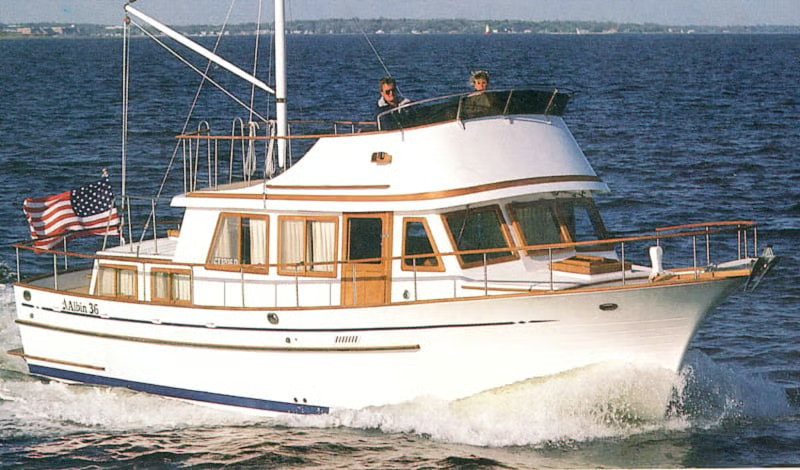
Every conversion generates measurable data, including:
- Operational efficiency
- Noise reduction
- Energy consumption
- Range performance
- Maintenance comparisons
This information helps inform boat owners, industry partners, and policymakers about the real-world impact of marine electrification.
Just The Facts
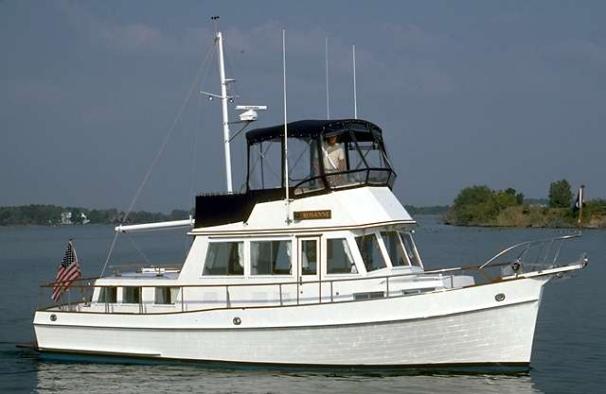
Electric marine propulsion is not a new concept. Early electric vessels — much like early electric vehicles — faced significant limitations. Low battery energy density, excessive weight, limited range, long charging times, and immature control systems made widespread adoption impractical. High upfront costs and limited infrastructure further restricted early viability.
Those limitations were real.
Today’s technology, however, represents a fundamental shift.
Modern lithium-ion battery systems provide significantly higher energy density, improved cycle life, and advanced battery management systems that monitor temperature, charge balance, and system safety in real time. High-efficiency brushless motors and digitally integrated controllers deliver reliable torque, smooth operation, and precise performance monitoring.
In addition, next-generation energy storage — including solid-state battery development — promises even greater improvements in energy density, thermal stability, and safety. While still emerging in large-scale marine applications, solid-state technologies represent a meaningful step toward lighter, safer, and longer-range electric propulsion systems.
Electric marine propulsion is no longer experimental novelty. For many vessel types and operating profiles, it is a practical and increasingly competitive alternative.
At The Center for Electric Marine Innovation Inc., we evaluate systems based on measurable environmental and performance data — not assumptions. Our goal is to clearly distinguish past technological constraints from present capability and future potential, providing transparent insight into where electric propulsion works today and where continued innovation is still required.